How to Structure a Calm, Productive Classroom
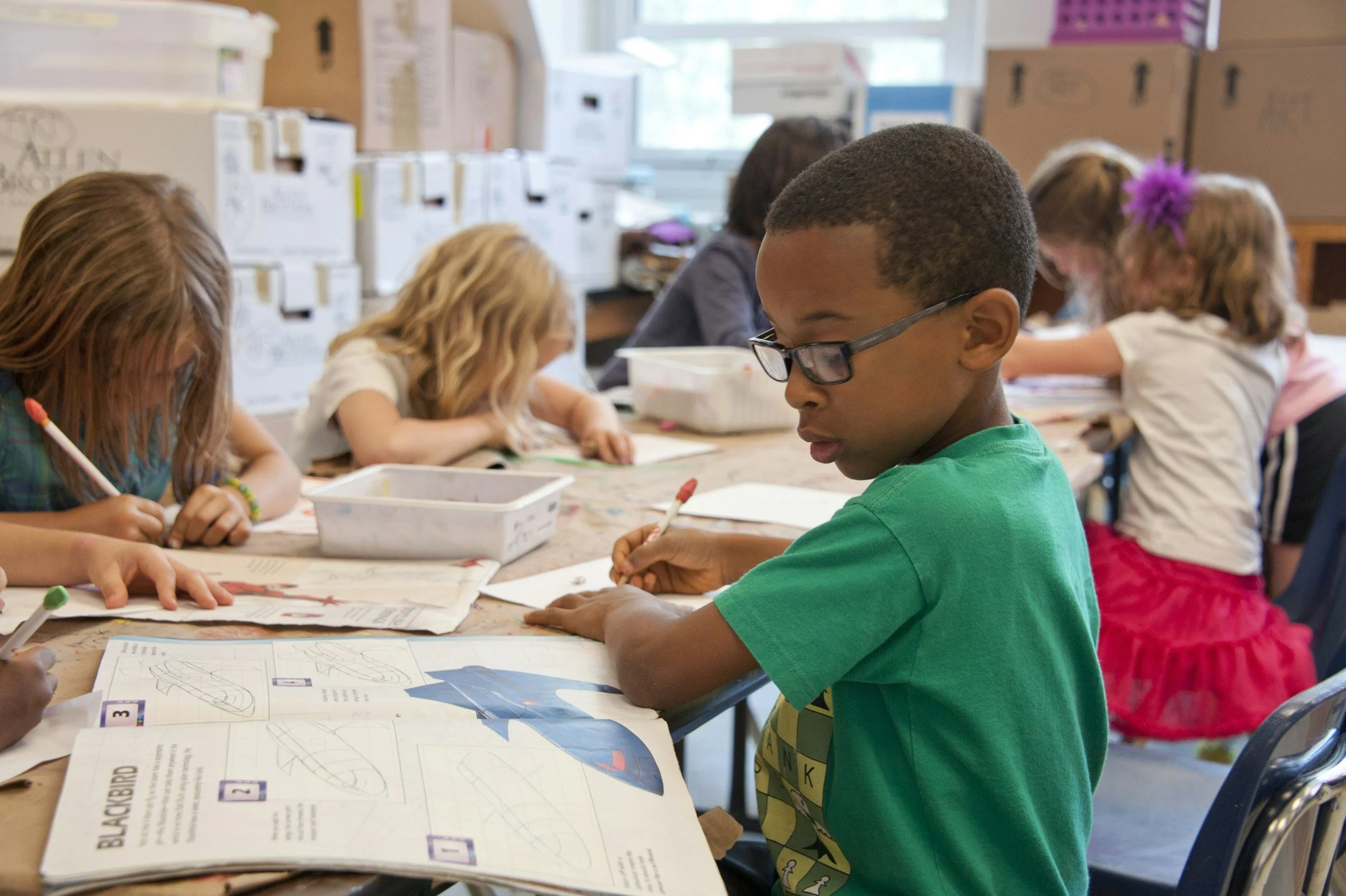
A calm classroom doesn’t mean perfect behavior or silent students. It means fewer interruptions, clearer expectations, and a day that feels manageable. Here’s how I structure my classroom so that learning, NOT chaos, takes the lead.
Calm is not about control; it’s about structure. When students know what to expect and what’s expected of them, they can focus their energy on learning instead of guessing what comes next. This starts on day one.
My school went through so many changes last year. I was forced to switch grade levels after the first 2 months of school and OMG when I say I struggled, I mean I STRUGGLED. Since I didn’t have those students from day one, it was hard to set routines and expectations. They spent their time trying to tell me what their previous teacher did and had no idea what I expected from them. So we had to start from scratch.
Clear Expectations come BEFORE Consequences
One of the biggest contributors to calm is clarity. Students can’t meet expectations that haven’t been clearly taught. Instead of assuming students “should know better” I had to take time to model, practice, and revisit expectations for behavior, movement, and participation.
Expectations should be simple, specific, and most importantly consistent. Students need to know what it looks like to enter the room, transition between activities, ask for help, and work independently. I usually create a slideshow with all my expectations and then use Kahoot! or throw in a couple multiple choice questions to see if they understood the expectations. CHAMPS is also a great resource if you want to set of clear routines for each activity and don’t know where to start.
Then come classroom rules or as I like to call them, essential agreements. I make it a point to create these with my students. It allows them to feel a sense of importance, and it holds them accountable. They created the “rules” so they want to follow them. I start with having them share out their ideas and I write them all down on the white board or screen. We then together, narrow them down to 5 or 6 max and write them on a piece of chart paper. I also like to create a typed version of these agreements, print it out and have students sign it, and then laminate it and post it in the classroom.
Routines reduce decision fatigue
Many classroom disruptions don’t come from misbehavior; they come from uncertainty. When students don’t know what to do next, they fill the gap with talking, wandering, or disengagement. That’s why routines are the backbone of my classroom. From the start of the day to the very end, students follow predictable patterns. This reduces anxiety, builds independence, and allows transitions to happen smoothly. Over time, these routines become automatic.
Structure Creates Freedom
A common misconception is that structure limits creativity and student voice. As a type-b teacher, that’s the last thing I would want to do. In reality, structure creates a space for students to feel safe to participate, take risks, and collaborate. Because I’m not constantly managing behaviors, I can focus on instruction and building relationships. The classroom feel more relaxed, not because standards are lower, but because systems are strong.
Calm is a practice, not a personality trait
Some teachers are naturally high-energy, I on the other hand, am much quieter and often feel like I don’t fit the teacher stereotype. This, however, does not matter. Calm classrooms don’t belong to one type of teacher. They belong to teachers who are intentional.
There are obviously still noisy days. There are moments that don’t go as planned. I won’t lie and say that my classroom is always perfect, because it isn’t. But when things go off track, routines help us to reset quickly and to move forward without frustration. The goal is to create an environment where learning is the focus, and chaos doesn’t run the day. That’s the calm that lasts.
Below is a free resource that I use in my classroom to limit interruptions. Thank you for stopping by!